
Safety Tips for Women Living Alone: A Real-Life Guide
If you live alone as a woman, safety is always in the back of your mind. This real-life guide shares simple, grounding safety habits that help you feel safer without shrinking your life.
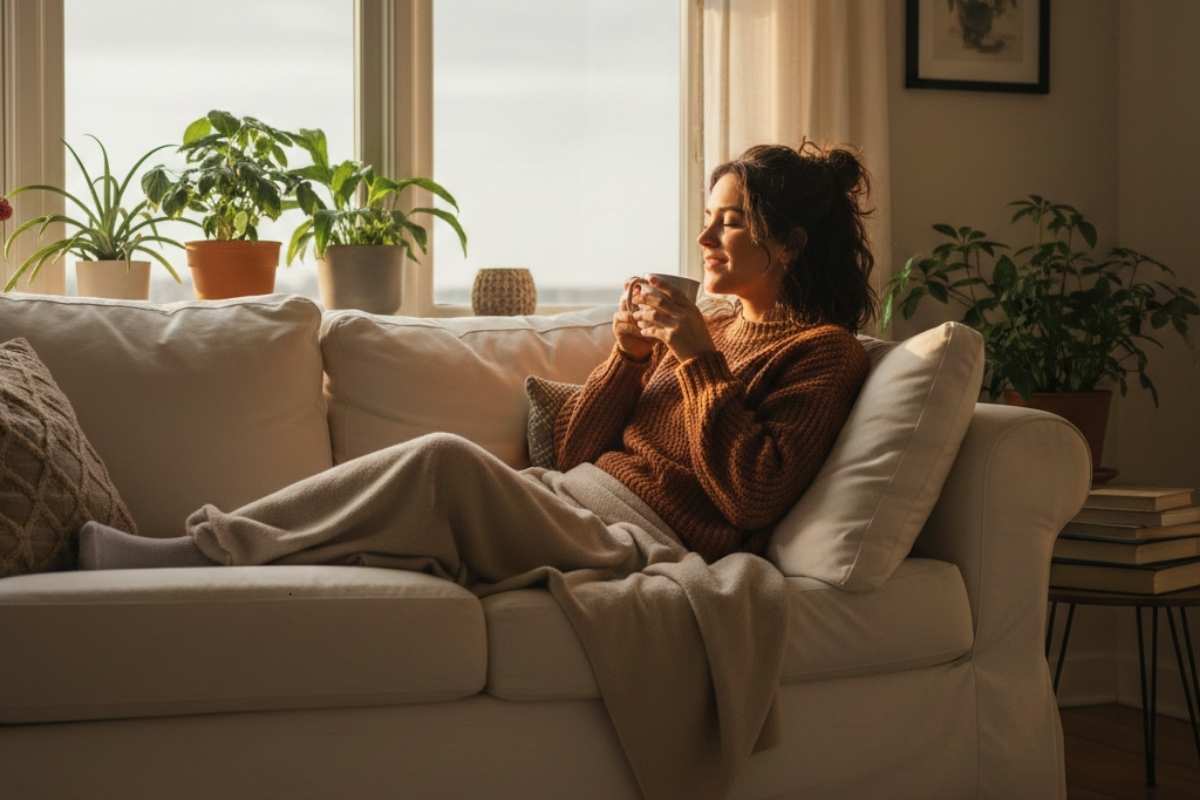
If you live alone as a woman, safety is always somewhere in the back of your mind.
Not loudly. Not dramatically. Just… there.
It shows up when you double-check the door before bed.
When you pause before answering it.
When you hear a sound at night and tell yourself you’re probably imagining things, but still stay a little more alert than usual.
And no, that doesn’t mean you’re paranoid.
It means you’re paying attention.
Living alone comes with freedom, independence, and a sense of pride that’s hard to explain unless you’ve done it yourself.
But it also comes with quiet responsibilities that no one really prepares you for.
Things you figure out slowly, through habits, routines, and a lot of “maybe I should do this just in case” moments.
This guide isn’t here to scare you or make you second-guess your life choices.
It’s not about living in fear or turning your home into a fortress.
And it’s definitely not about blaming women for things that are out of their control.
This is a real-life guide — written for women who live alone, go out alone, come home late sometimes, and still want to feel at ease in their own space.
It’s about small, calm safety habits that help you feel more in control without shrinking your world.
You don’t need to change who you are to be safe.
You don’t need to stop living your life.
You just need a few things working quietly in your favor.
And that’s exactly what we’ll talk about here.
A Few Things That Help Me Feel Safer at Home
These aren’t must-haves — just small things that personally make my space feel calmer and more secure, especially at night.
- Motion-sensor night light – helps when moving around in the dark without turning on harsh lights
- Door stopper or door alarm – simple, low-cost peace of mind while sleeping
- Smart bulb or timer plug – makes the apartment feel occupied, even on quiet evenings
- White noise machine or fan – reduces silence and helps with night-time anxiety
- Portable power bank – so my phone is always charged when I need it
I don’t rely on these alone — they just work quietly in the background and help my home feel settled.
Pin it:
1. Safety Is a Skill, Not a Personality Trait
A lot of women grow up thinking safety is about being a certain type of person.
More cautious. Less trusting. Always alert. Always careful.
But safety isn’t something you either “have” or “don’t have.”
It’s not about being fearless or anxious, bold or shy.
Safety is a skill.
And like any skill, it’s something you build over time through small choices, not big dramatic changes.
Being safety-aware doesn’t mean walking around scared.
It means noticing things without panicking.
It means giving yourself permission to act on discomfort before it turns into fear.
That quiet feeling in your stomach when something feels off? That’s not overthinking. That’s information.
One of the most important safety habits you can develop is trusting yourself without needing proof.
You don’t have to wait for a situation to become obviously “bad” to leave.
You don’t need a logical explanation to change your plans. And you don’t owe anyone politeness at the cost of your own comfort.
This is especially important when you live alone.
There’s no one else double-checking doors or paying attention to your routines.
But that doesn’t mean you’re vulnerable — it means you’re capable.
You learn what feels normal for your space, your body, and your life. And when something doesn’t match that feeling, you’re allowed to listen.
Safety isn’t about controlling every outcome.
It’s about giving yourself options.
When you see safety as a skill instead of a personality trait, it stops feeling heavy.
It becomes something you quietly practice — through awareness, boundaries, and self-trust — while still living your life on your own terms.
2. At-Home Safety Tips for Women Living Alone
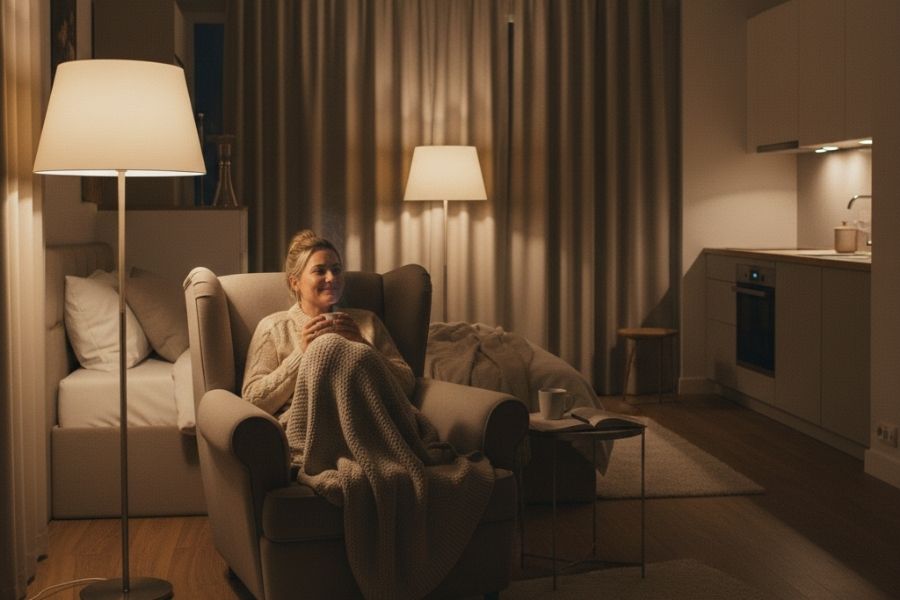
Your home should feel like the one place where you can fully exhale.
But when you live alone, safety at home isn’t just about locks and doors — it’s about patterns.
The small, everyday habits that quietly work in your favor without making you feel tense in your own space.
Make Your Home Feel Occupied (even when it’s just you)
One of the simplest safety ideas is also one of the most effective: don’t make your home feel predictably empty.
That doesn’t mean pretending you’re never alone.
It just means creating the impression of regular activity.
Lights that come on around the same time each evening.
A TV or music playing while you’re home.
Small routines that signal presence without any effort.
Consistency matters more than perfection here. A lived-in home feels different from a silent, dark one — not just to others, but to you.
Door, Window, And Entry Habits That Actually Matter
Most safety issues at home come down to how information travels.
Who knows you live alone?
Who knows your schedule?
Who gets access to your space, even briefly?
Simple habits help more than people realize. Taking a second before opening the door. Avoiding unnecessary conversations about your living situation. Being mindful about who sees inside your home and when.
Windows and doors don’t need to turn into a source of anxiety.
You don’t need to obsess over them.
You just need to be intentional — especially at night or when routines change.
Everyday Habits That Quietly Reduce Risk
Living alone teaches you awareness without effort.
You start noticing what’s normal for your space — the usual sounds, the timing of things, the way your home feels when everything is fine.
That awareness becomes your biggest advantage.
Little things add up:
- keeping routines slightly flexible
- not broadcasting your schedule
- trusting your instincts when something feels different
None of this requires fear. It’s just presence.
What You Don’t Need to Stress About
Not every safety tip online is worth your energy. Some advice adds stress without adding protection.
You don’t need to constantly be on edge.
You don’t need to prepare for worst-case scenarios every day.
And you definitely don’t need to live like something bad is inevitable.
A calm, intentional home is already a safer one.
When your space feels grounded and familiar, you’re more likely to notice real changes — and that’s what actually matters when you live alone.
3. Going Out Alone (And Still Enjoying Your Life)
Going out alone shouldn’t feel like an act of bravery.
It should feel normal.
Whether it’s a quick errand, a late dinner, a walk, or just stepping out for some air, living alone often means doing things by yourself — and that’s not something you need to justify or overthink.
Safety, in these moments, isn’t about restriction. It’s about awareness that fits into your life without taking over.
Simple Awareness Habits (not hyper-vigilance)
Being aware doesn’t mean being tense. It just means staying present enough to notice what’s happening around you.
Things like:
- staying mindful of your surroundings instead of disappearing into your phone
- keeping one ear free if you’re using headphones
- walking with intention, even if you don’t feel confident inside
These habits aren’t about fear — they’re about signaling self-assurance. And that alone changes how situations unfold.
Trusting Your Body Language And Instincts
Your body often reacts before your mind catches up. A slight hesitation. A tightening feeling. The urge to cross the street or take a different route.
You don’t need to talk yourself out of those moments.
You’re allowed to:
- change directions
- leave early
- avoid eye contact
- say nothing at all
Safety doesn’t require explanations.
Coming Back Home Safely
For many women, the most vulnerable moment isn’t being out — it’s coming back home.
That in-between space matters. Parking areas. Building entrances. Hallways. Elevators.
These are short moments, but they’re worth moving through with intention.
Simple habits help:
- having your keys ready
- noticing who’s around before unlocking doors
- entering your space confidently instead of rushing
There’s no need to panic. Just stay present until you’re safely inside.
You’re Allowed to Live Your Life
Living alone doesn’t mean shrinking your world. It doesn’t mean staying in or avoiding things you enjoy.
Safety and freedom aren’t opposites. When handled calmly, they support each other.
The goal isn’t to do everything “right.”
It’s to move through your life with enough awareness that you feel in control — not restricted.
4. Night-Time Safety Tips (When Everything Feels Louder)
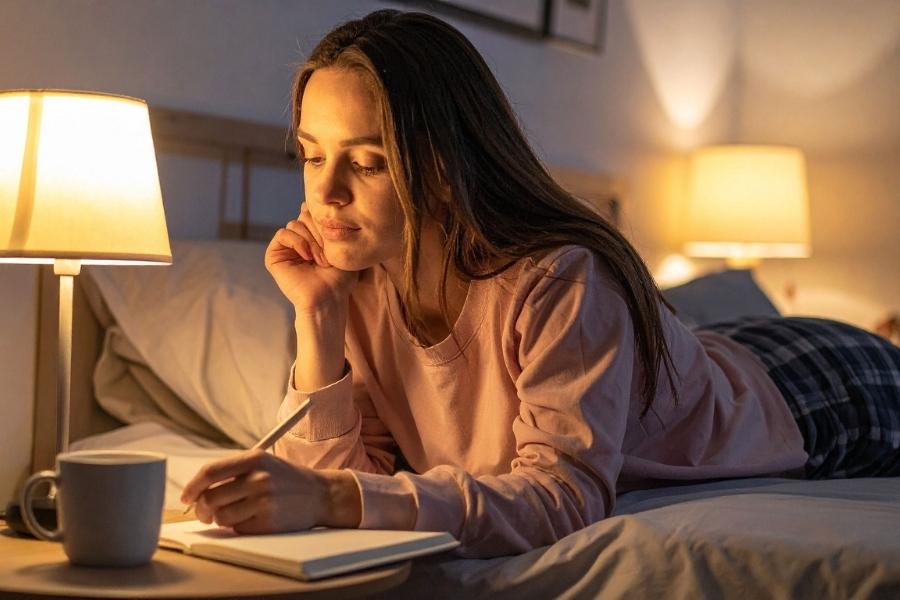
Night changes the way everything feels.
The same apartment that feels perfectly fine during the day can suddenly feel unfamiliar once it’s quiet.
Sounds feel sharper. Thoughts get heavier. Your mind fills in gaps that don’t exist during daylight hours.
That doesn’t mean something is wrong. It means you’re human.
Night-time anxiety is incredibly common for women living alone, and it doesn’t say anything bad about your strength or independence.
Why Nights Feel Harder
At night, there are fewer distractions. No background noise. No movement outside.
Your brain has space to wander — and sometimes it wanders straight into worry.
Your body is also more tired, which makes everything feel more intense than it actually is.
A random sound can suddenly feel meaningful when it’s really just part of a normal, lived-in space.
Understanding this alone helps take the edge off.
Night Routines That Help You Feel Grounded
Small routines before bed can make a big difference.
Not because they prevent anything, but because they signal safety to your nervous system.
Things like:
- locking doors and windows once, calmly — not repeatedly
- turning on a soft light or lamp instead of sitting in total darkness
- having a familiar sound, like a fan, music, or a show playing quietly
These habits aren’t about vigilance. They’re about comfort.
Also Read: Nighttime Safety Routine Checklist for Women Who Live Alone
When You Hear A Noise
Living alone means you’ll hear sounds you’ve never noticed before. Pipes. Neighbors. Buildings settling. Wind. Your own movements echoing back at you.
If something startles you, pause before jumping to conclusions. Take a breath. Notice what’s actually happening instead of what your mind is imagining.
Most of the time, familiarity comes with time.
The longer you live in a space, the more you learn its normal rhythms — and that knowledge brings calm.
When Your Thoughts Spiral
Some nights, it’s not the house that feels unsafe — it’s your own thoughts.
If your mind starts racing, grounding yourself in something physical can help.
Sitting up. Touching something familiar. Turning on a light. Reminding yourself where you are and that you’re in control of your space.
You don’t need to force yourself to “be brave.” You just need to feel present.
Night-time safety isn’t about being alert every second.
It’s about creating an environment where your body can relax — because feeling calm is part of feeling safe.
5. Digital Safety Tips Most Women Overlook
When people think about safety, they usually picture physical spaces. Doors. Streets. Strangers.
But a lot of information about your life doesn’t come from what people see in person — it comes from what you share without realizing it.
Digital safety isn’t about disappearing from the internet. It’s about being intentional.
Social Media And Oversharing (without meaning to)
Most women don’t overshare because they want attention. They overshare because it feels normal.
Posting where you are. Sharing routines. Tagging locations in real time. Mentioning that you live alone without thinking twice about it.
Individually, none of these things feel risky. But over time, patterns form.
A simple habit that helps: delay.
Post after you leave. Share moments once they’re done. Keep some parts of your routine private — not because you’re hiding, but because you’re allowed to.
Your life doesn’t need to be fully accessible to feel real.
Location Tags And Real-Time Updates
Location sharing can be useful and comforting — especially with people you trust. But real-time location broadcasting doesn’t always work in your favor.
It’s okay to:
- turn off automatic location tags
- limit who can see your stories
- review who has access to your live location
This isn’t about fear. It’s about control.
Apps You Use Every Day
Ride apps, delivery apps, and service platforms are part of daily life now.
They’re convenient, but they also involve brief access to your location and space.
A few small habits help:
- keep interactions brief and neutral
- avoid sharing extra personal details
- trust your instincts if something feels off
You don’t owe friendliness when boundaries feel safer.
Sharing Your Location With The Right People
Location sharing works best when it’s intentional.
One or two trusted people. Clear boundaries. Not everyone needs access to where you are at all times.
Knowing someone can see you if you need help can be comforting — especially at night or while traveling.
Just make sure it’s on your terms.
Digital Safety Is Part Of Feeling Safe At Home
Even when you’re physically alone in your apartment, your digital presence connects you to the outside world.
When that presence feels controlled and intentional, your space feels calmer too.
You don’t need to do everything perfectly.
You just need to be aware of what information you’re putting out — and why.
That awareness alone goes a long way.
6. Travel and Unfamiliar Places

Being alone in a place you don’t know can feel very different from being alone at home.
New sounds, new layouts, new rhythms — your brain hasn’t learned what’s “normal” yet, so it stays a little more alert.
That’s not fear. That’s adjustment.
Getting Comfortable In A New Space
Whether it’s a hotel, an Airbnb, or a short stay somewhere unfamiliar, the first goal isn’t to relax instantly. It’s to get oriented.
Take a few minutes to notice:
- where entrances and exits are
- how the space sounds when it’s quiet
- what feels normal for that environment
Once your body understands the space, your mind follows.
Unpacking even a small item — a toiletry bag, pajamas, something familiar — can also help the place feel less temporary and more grounded.
Blending In Instead Of Standing Out
When you’re in a new area, especially alone, blending in matters more than standing out.
That doesn’t mean hiding who you are. It means moving with intention. Looking like you know where you’re going, even if you don’t. Pausing in quiet spaces instead of busy ones when checking directions.
Confidence, even quiet confidence, changes how situations unfold.
Everyday Safety Habits While Traveling
Travel safety isn’t about doing everything differently — it’s about being a bit more mindful.
Simple habits help:
- keeping personal details private in public spaces
- trusting your instincts when choosing routes or places
- stepping away from situations that feel uncomfortable without explaining yourself
You’re allowed to change plans. You’re allowed to leave early. You’re allowed to prioritize how you feel.
Alone Doesn’t Mean Unprepared
Traveling alone doesn’t mean you’re exposed. It means you’re responsible for yourself — and that can be empowering.
When you take small steps to orient yourself, stay present, and trust your judgment, unfamiliar places start to feel manageable.
Sometimes even exciting.
Safety while traveling isn’t about constant alertness. It’s about giving yourself the time and space to settle in.
7. Low-Cost Safety Habits That Actually Work
Safety doesn’t have to be expensive, complicated, or extreme.
You don’t need gadgets, subscriptions, or a perfectly planned routine to feel more secure.
Most real-life safety comes from habits, not purchases.
Habits That Cost Nothing
Some of the most effective safety practices don’t cost a single dollar.
They’re quiet choices you make without drawing attention to yourself.
Things like:
- being mindful about what you share and with whom
- trusting yourself enough to leave situations early
- staying aware of your surroundings without being tense
These habits don’t rely on fear. They rely on presence.
Habits That Take Under 10 Seconds
Safety doesn’t need to interrupt your life. A few seconds here and there are often enough.
Having your keys ready before you reach the door.
Locking up once, calmly, instead of repeatedly.
Taking a quick look around before entering your space.
These moments are small, but they add up to a feeling of control — and control is calming.
Why Simple Beats Extreme
A lot of safety advice online jumps straight to worst-case scenarios.
But living like something bad is always about to happen can actually make you feel less safe, not more.
Simple habits are easier to stick to. They become automatic.
And because they don’t create anxiety, they’re more sustainable in the long run.
Safety that fits into your life quietly is the kind that actually lasts.
You’re Allowed To Choose What Feels Right For You
Not every tip works for every woman. Your routines, your environment, and your comfort level matter.
The goal isn’t to follow rules perfectly.
It’s to notice what helps you feel steady and supported.
When safety habits feel natural instead of forced, they stop feeling like precautions — and start feeling like self-respect.
8. When Something Feels “Off”
This is the part most safety guides rush through — but it’s the part that matters the most.
That quiet feeling.
The pause in your body.
The moment where something doesn’t feel wrong exactly… just not right.
You don’t need to explain that feeling away. And you don’t need evidence to act on it.
You Don’t Need Proof To Protect Yourself
A lot of women are taught to wait until something is clearly bad before reacting. To be polite. To be reasonable. To not make a scene.
But safety doesn’t work on logic alone. It works on awareness.
If something feels off, you’re allowed to:
- leave early
- change plans
- cross the street
- end a conversation
- lock the door and sit with the feeling
You don’t owe anyone an explanation for choosing yourself.
Early Signs Are Quiet, Not Dramatic
Most unsafe situations don’t announce themselves loudly. They start subtly.
It might be:
- someone ignoring your boundaries
- a situation that feels rushed or pressured
- a place that suddenly feels uncomfortable for no clear reason
These moments are easy to dismiss. But they’re often your intuition noticing details before your mind catches up.
Listening early is what keeps situations from escalating.
Choosing Safety Over Politeness
This one is hard — especially for women who don’t want to seem rude or dramatic.
But your comfort matters more than someone else’s opinion of you.
Being polite has never been worth feeling unsafe.
And leaving doesn’t mean you were wrong — it means you trusted yourself.
After The Moment Passes
If you ever walk away from something and later wonder if you overreacted, that’s normal.
But here’s the truth: You don’t regret the situations you leave early. You regret the ones you stay in while ignoring yourself.
Safety isn’t about getting every decision “right.”
It’s about knowing you can trust yourself to act when something doesn’t feel right.
And that trust is powerful.
9. Safety Myths That Create More Fear Than Protection
A lot of what women hear about safety sounds confident and authoritative — but confidence doesn’t always mean it’s helpful.
Some advice adds more anxiety than actual protection.
And when you live alone, constant fear can be just as draining as real risk.
Let’s unlearn a few common myths.
“You Should Always Be On Alert”
Being alert all the time isn’t realistic, and it’s not healthy.
Living in a constant state of tension can make you exhausted, anxious, and disconnected from your surroundings, which actually makes it harder to notice real problems.
Awareness works best when it’s calm.
You don’t need to scan every room or overthink every sound. You just need to stay present enough to notice when something truly changes.
“More Precautions Always Mean More Safety”
Not all precautions help.
Some habits create stress without adding protection.
Rechecking things obsessively. Avoiding normal activities out of fear. Preparing for worst-case scenarios that rarely happen.
Safety isn’t about stacking as many rules as possible. It’s about choosing habits that fit into your life without making it smaller.
“If Something Bad Happens, You Must Have Missed A Sign”
This myth quietly puts blame where it doesn’t belong.
You can do everything “right” and still feel uncomfortable sometimes. Or make a choice that seems fine in the moment and later question it.
Safety isn’t about perfection. It’s about awareness, flexibility, and self-trust — not about predicting every outcome.
“Strong Women Don’t Worry About Safety”
Strength doesn’t mean ignoring reality.
Caring about safety doesn’t make you weak, fearful, or dependent. It means you respect yourself and your space.
Strong women plan.
Strong women notice things.
Strong women leave when they need to.
Letting go of unnecessary fear
The goal of safety isn’t control — it’s peace of mind.
When you let go of advice that makes you anxious without helping you, you make space for habits that actually support you.
You’re allowed to feel calm.
You’re allowed to feel confident.
And you’re allowed to live alone without constantly bracing for something to go wrong.
One Last Thing Before You Go…
If no one has told you this yet, you’re not dramatic for caring about your safety.
Wanting to feel secure in your own space doesn’t mean you’re afraid of the world. It means you respect yourself enough to think ahead. And that matters more than people admit.
Living alone as a woman takes quiet courage. Not the loud, obvious kind — but the everyday kind.
The kind that shows up in routines, boundaries, and listening to yourself, even when it would be easier to ignore that feeling and move on.
You don’t need to live on edge to be safe.
You don’t need to shrink your life to protect it.
Most of the time, safety isn’t about big moves or perfect choices.
It’s about small habits working quietly in your favor — and trusting yourself enough to act when something doesn’t feel right.
If this guide made you feel a little calmer, a little more grounded, that’s the point.
Keep the habits that resonate. Let go of the ones that don’t.
There’s no single “right” way to do this.
And if you ever find yourself questioning whether you’re overthinking, you’re probably just paying attention.
You’re allowed to live alone.
You’re allowed to feel safe.
And you’re allowed to trust yourself while doing both.
Take care of yourself.